Skip
MB Energy

Liquefied petroleum gas (LPG)

LPG is a versatile, liquefied energy source made from propane or butane that can be stored independently of the gas network and used flexibly - from heating and process energy to mobile applications.

With MB Energy, you can use LPG exactly where you need it: predictably available, technically proven and available in different variants - from stationary tank solutions to bottled gas and BioLPG for different requirements.

Liquid gas - Energy to heat

Liquid gas

Energy to heat

Typical applications

Liquid gas is not a niche product, but a versatile energy option for a wide range of applications. The decisive factor is which form of supply is required: stationary, mobile, permanent or temporary.

Technical properties of liquid gas

Standards and quality

Liquid petroleum gas (LPG) consists of propane, butane or mixtures thereof and is subject to specific standards depending on the application. For fuel applications, for example, DIN EN 589 applies. In addition, product-specific safety data sheets and the correct design of tanks, fittings and pressure control lines are crucial for safe operation.

Physical characteristics (typical for EL heating oil):

Liquid gas is liquefied even at low pressure (approx. 1-8 bar) and has a volume around 260 times smaller in its liquid state than in its gaseous state. Density and energy content vary depending on the propane-butane mixture and temperature, which is why technical design and consumption calculations are always application-specific.

Composition

LPG is mainly made up of propane (C₃H₈) and butane (C₄H₁₀). Propane is particularly suitable for applications at low temperatures, as it vaporizes reliably even at low temperatures. The specific mixture is defined according to the area of application.

Special technical features

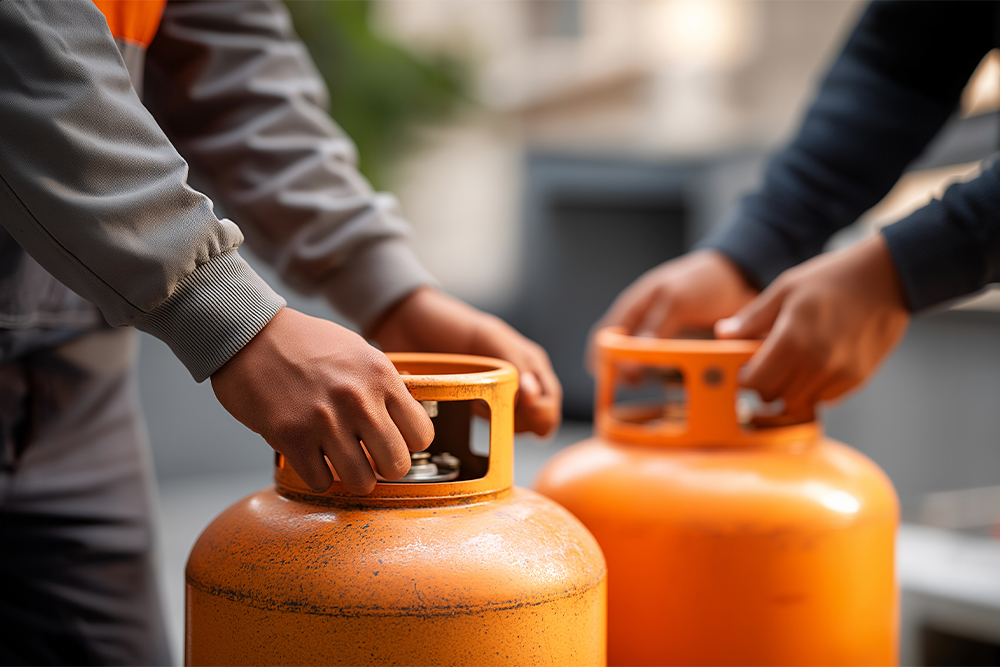
LPG is storable, transportable and versatile. BioLPG is chemically identical to conventional LPG and can therefore be used in existing systems (drop-in solution). Modern cylinder gas systems offer additional safety features such as integrated valves for controlled operation.

Advantages of liquefied petroleum gas (LPG)

Independent of the gas grid

Liquid gas enables an energy supply without a connection to the natural gas grid. For companies and properties with decentralized locations, this means maximum flexibility in planning, development and operation. Energy is available exactly where it is needed - permanently or as a temporary solution.

Versatile in use

Whether for heating, process heat, agriculture, construction sites or mobile applications: Liquid gas covers a wide range of applications. This means that the energy supply of a site can often be organized with a clear, integrated solution - instead of operating several systems in parallel.

Stockable and plannable

Liquid gas can be stored directly on site. This makes you independent of a continuous network infrastructure and ensures a high level of supply security. Especially with fluctuating demand, seasonal peaks or remote locations, this is a decisive advantage for stable operating processes.

The right solution for every need

From classic propane and cylinder gas to propellant gas solutions and BioLPG: the wide range of variants enables precise adjustment to the respective application. The result is a technically and economically viable supply - adapted to real requirements instead of standard solutions.

Proven technology

Oil heating systems are technically mature and established in many buildings.

Liquid gas products at a glance

The selection of the right heating oil quality depends on the type of system, storage conditions and individual requirements.

Process / Procedure

01

Record demand. Analysis of application, consumption and location.

Father and son rejoice
02

Select the right variant. Select the suitable supply solution.

hands laptop
03

Installation and setup. Technical implementation on site.

LPG liquefied petroleum gas-small
04

Ongoing supply. Regular supply and operation.

Ongoing supply
01 - 04

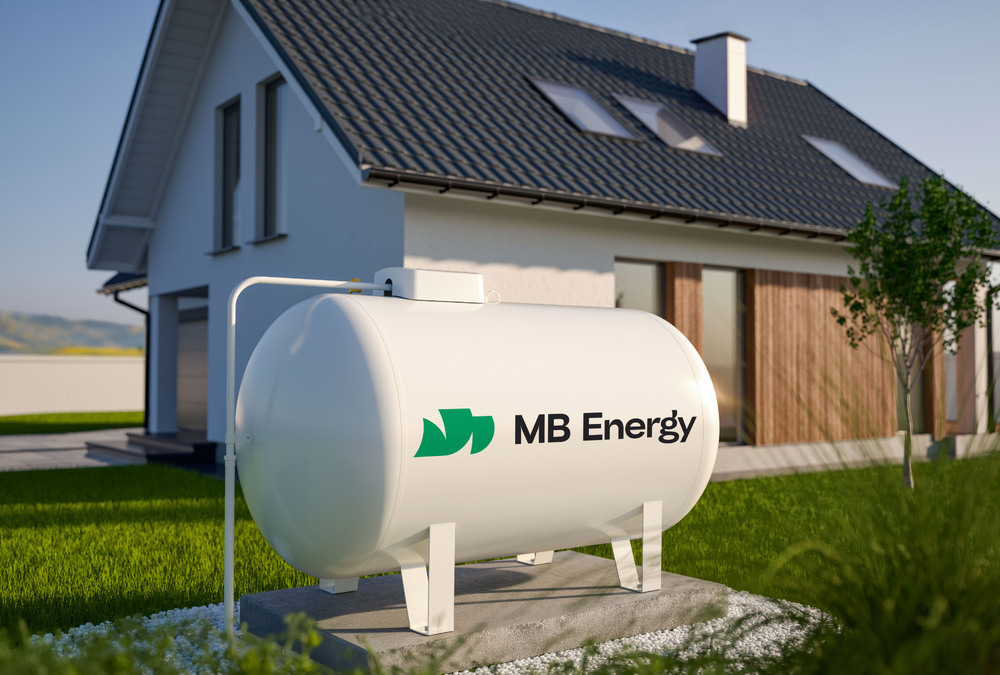
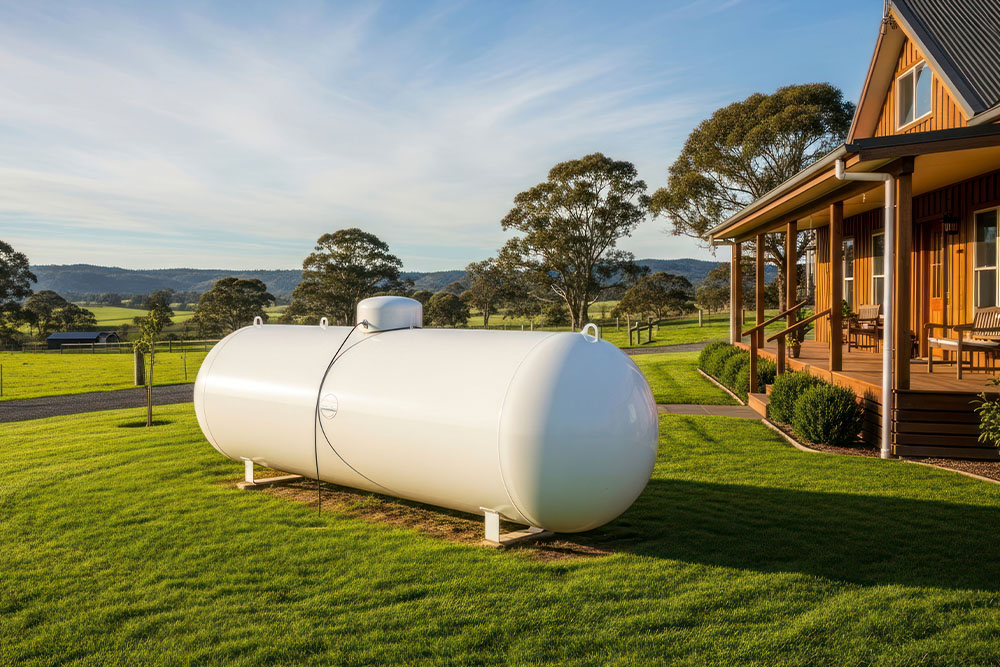
Liquid gas tank - energy exactly where you need it

FAQ

How much does liquid gas cost compared to natural gas or heating oil?

The cost of LPG depends on several factors, in particular market prices, purchase volume and the chosen supply model. In contrast to grid-based energies, liquid gas offers more flexibility in terms of procurement and stockpiling. This means that prices and delivery times can be better controlled. For a well-founded assessment, an individual calculation is always necessary that takes into account the specific requirements and area of application.

When is a liquid gas tank worthwhile?

A liquid gas tank is particularly worthwhile if there is no connection to the natural gas grid or if a flexible, quickly available energy supply is required. Typical applications are new buildings in rural areas, commercial sites or temporary applications. A tank also offers economic advantages as a temporary solution, as it can be operated independently of external infrastructure.

How does the supply of liquid gas work?

The gas is supplied by tankers that deliver the liquid gas directly to the site and fill it into a stationary tank. There it is stored as a liquid under pressure and converted to a gaseous state when required. The gas reaches the connected appliances, such as heating systems or production facilities, via a pressure control line. This creates a continuous and demand-oriented energy supply.

How safe is liquid gas?

Liquid gas is considered a safe form of energy when installed and used correctly. Tanks, pipes and technical components are subject to clearly defined regulations and are tested regularly. In addition, safety valves and modern system technology ensure controlled operation. The prerequisite is proper planning and compliance with all technical requirements during operation.

What tank solutions are available?

A basic distinction is made between above-ground and underground liquid gas tanks. Above-ground tanks are easier to install and easily accessible, while underground solutions offer visual advantages and save space. Which variant is suitable depends on the local conditions, the energy requirement and the requirements for use and integration.

Can I use existing heating systems with liquid gas?

In many cases, existing heating systems can be converted to LPG or operated directly with it. Especially with modern systems, integration is often possible without great effort. Nevertheless, every conversion should be technically checked to ensure that all components are optimally coordinated and work efficiently.

What is BioLPG and can I use it directly?

BioLPG is the renewable version of LPG and is chemically identical to conventional LPG. This means that it can be used in existing systems without the need for technical modifications. The main difference lies in the origin and the balance sheet emission effect, while application and use remain unchanged.

How often does liquid gas have to be delivered?

Yes, liquid gas is often used in commercial and industrial applications. Typical areas of use include process heat, production facilities and mobile applications. Particularly where high availability and independence from network infrastructure is required, liquid gas offers a flexible and technically proven solution for different requirements.

Is liquid gas also suitable for commercial applications?

Yes, liquid gas is frequently used in trade and industry - for process heat, production facilities or mobile applications, for example. It offers a flexible alternative when high availability and independence are required.

Request advice

We support you in choosing the right heating oil solution.