Skip
MB Energy
GettyImages-925440650

New-Energy

Energy to innovate

New Energy

In brief: At MB Energy, New Energy stands for the development and provision of modern energy and fuel solutions along the energy transition. Our aim is to be the preferred independent supplier of liquid energy sources in our core markets - today and tomorrow. To achieve this, we invest in innovative projects, initiatives and technologies that tap into new energy sources, reduce emissions and offer our customers reliable, future-proof solutions.

Innovative fuels, chemicals and technologies

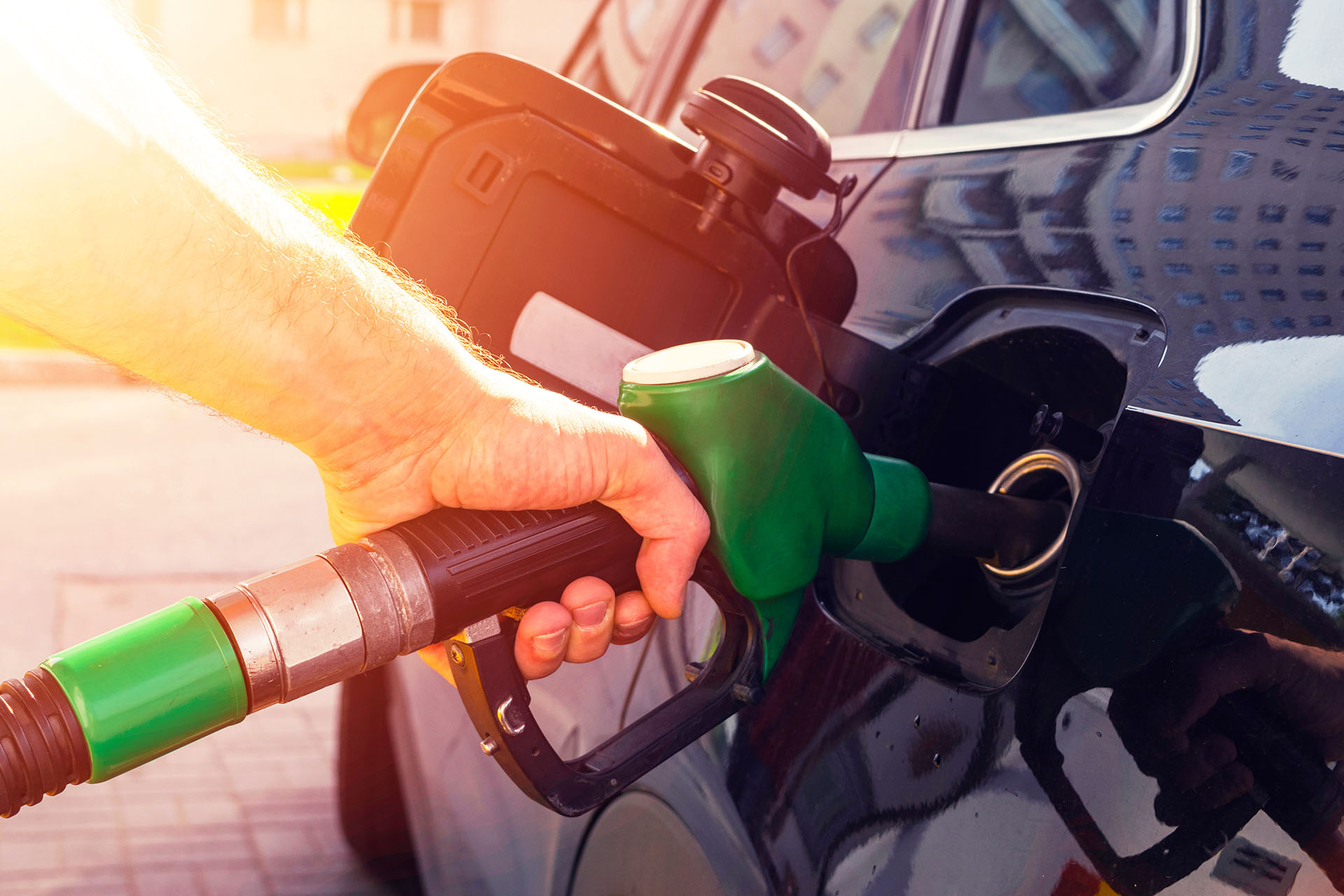
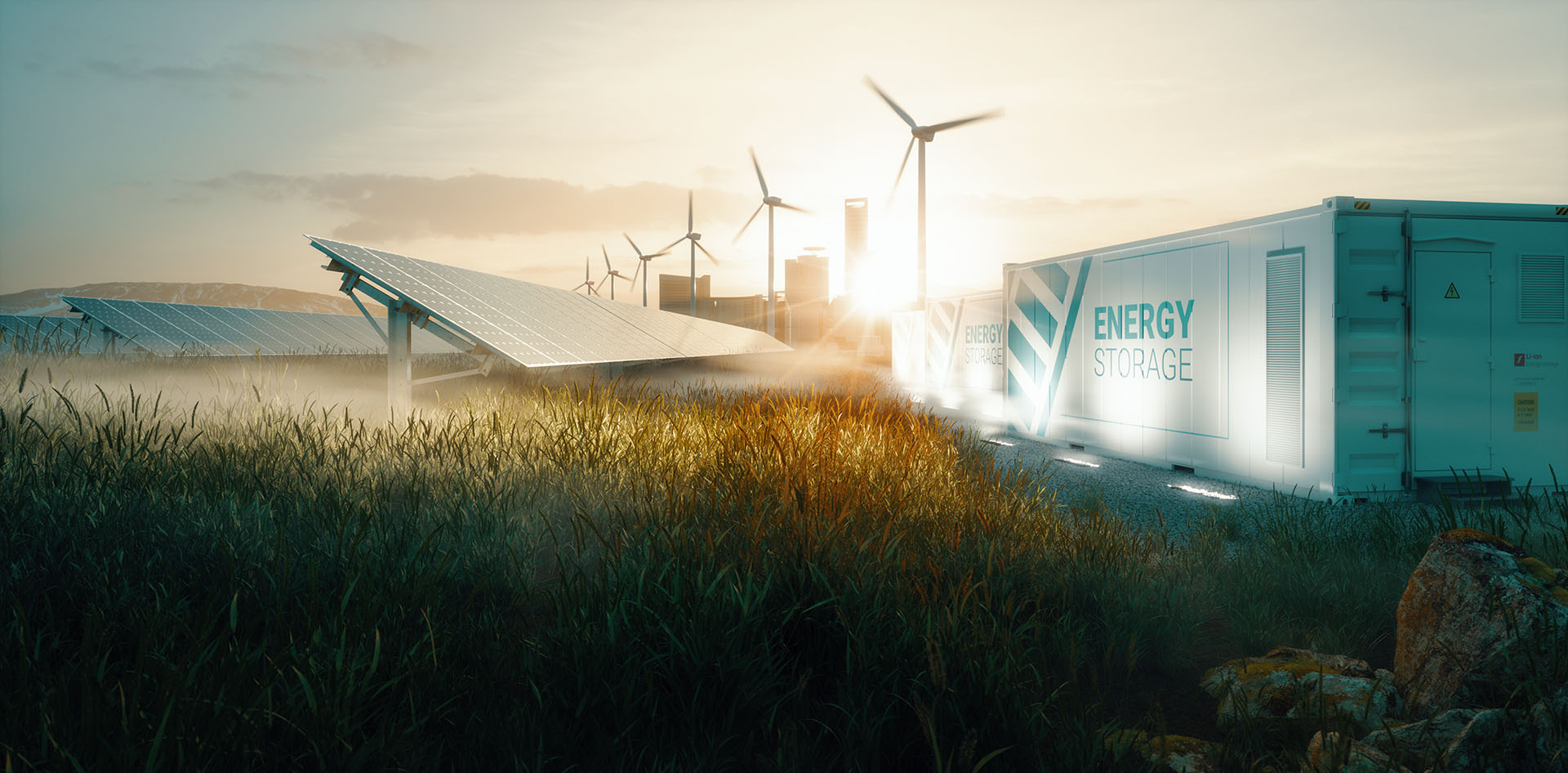
As part of the energy transition, innovative fuels, their production processes and new technologies are becoming increasingly important. Among other things, these make it possible to store and use renewable energies by making them usable for other sectors, such as the transport or heating sector. We present some examples below.

Innovation projects

Chemicals

Storage and Infrastructure

FAQ

Where do e-fuels come from?

Large quantities of this synthetic fuel can be produced in areas where there is a surplus of wind and solar energy, for example in regions such as Chile.

How exactly does the production process for e-fuels work?

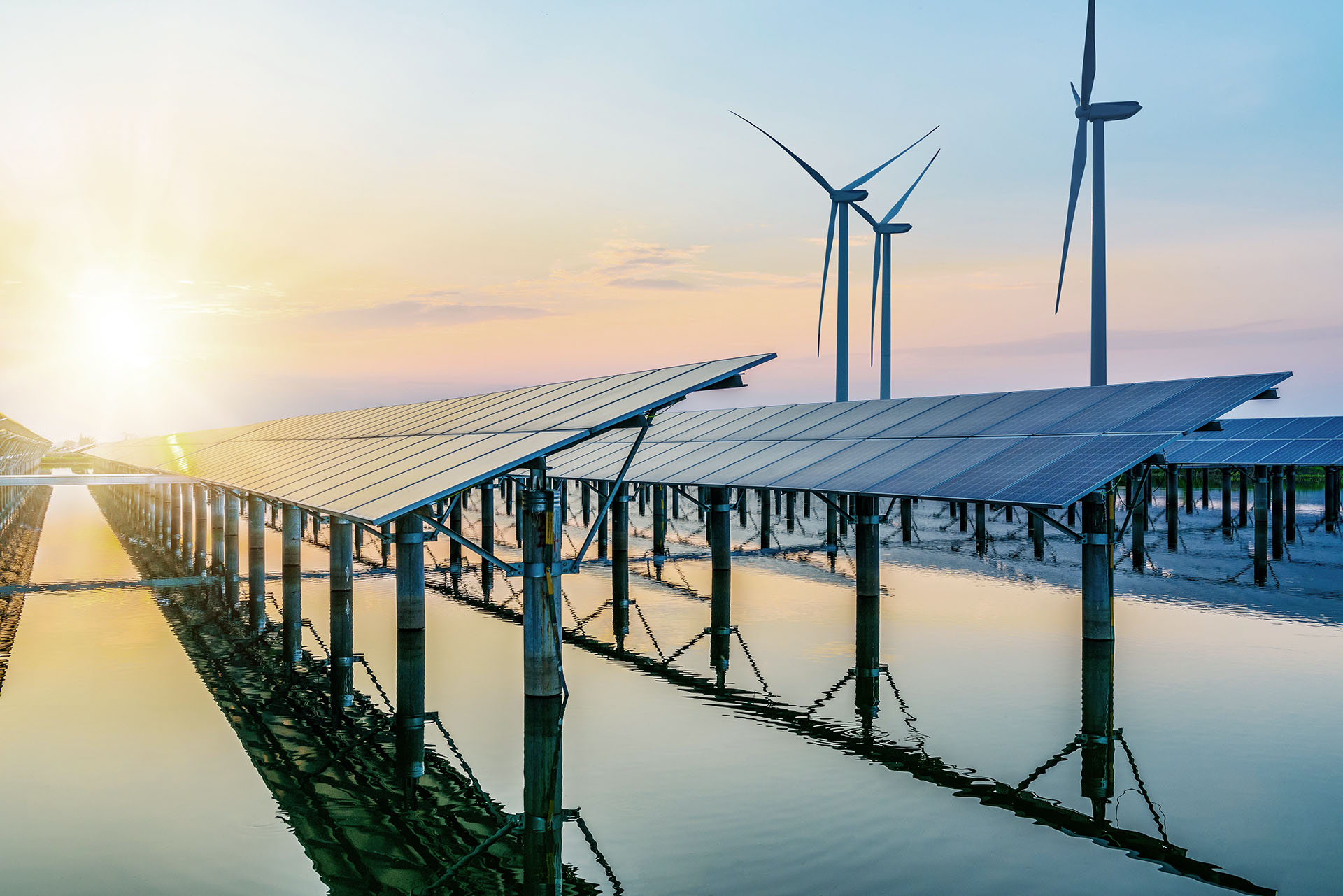
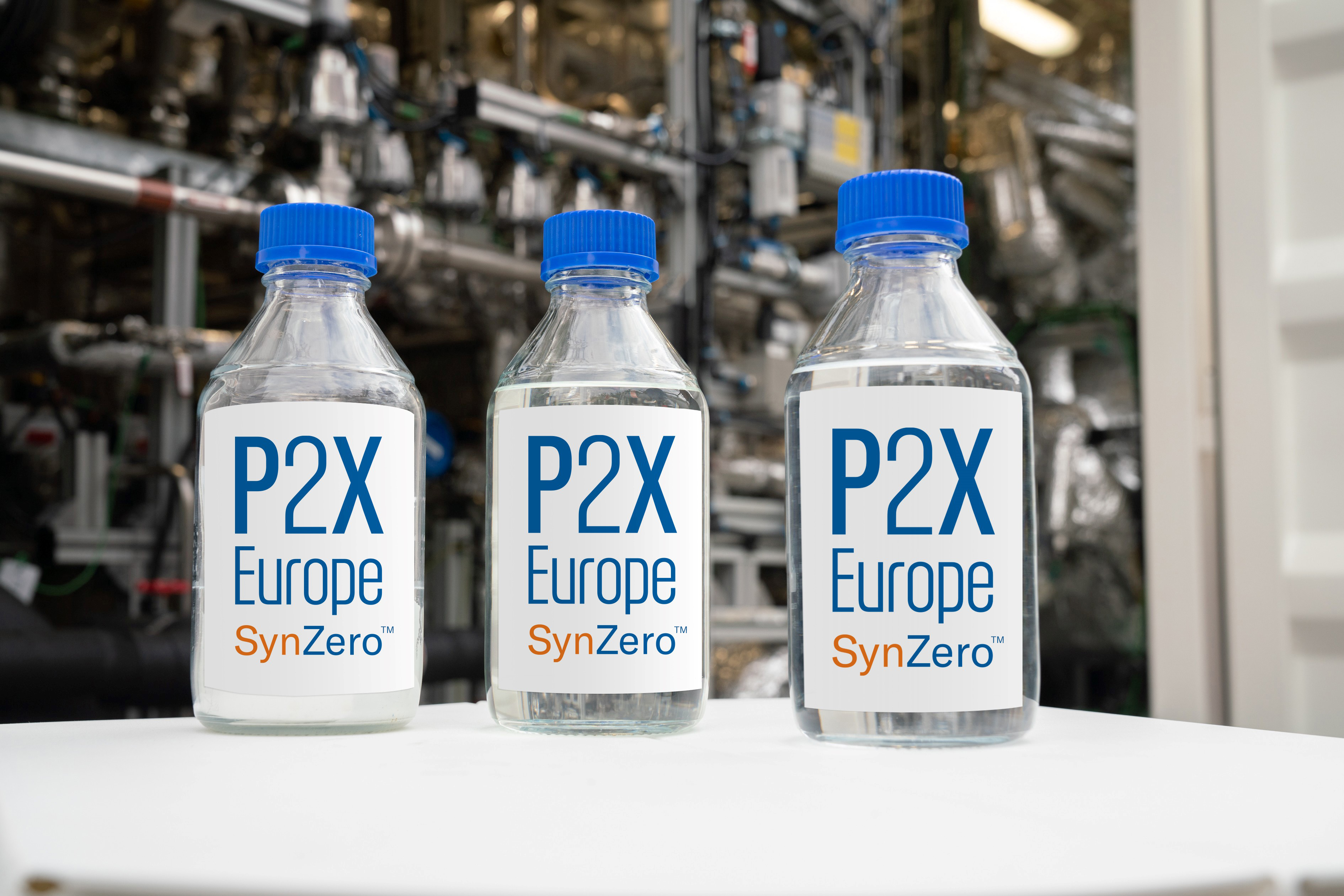
Renewable electricity from wind turbines or solar energy is used to split water into oxygen (O₂) and hydrogen (H₂) through electrolysis. This produces hydrogen as the first starting material. In the next step, the hydrogen is combined with carbon dioxide (CO₂), which is either a waste product from industrial processes or is extracted from the ambient air. There are two main synthesis processes: Methanol-to-gasoline (MtG) and Fischer-Tropsch (FT). The end products are synthetic diesel fuel, synthetic gasoline, heating oil, jet fuel and other chemical products. Production is currently still taking place in small quantities, mainly in research and pilot projects.

How is green hydrogen produced?

Electricity is used to split water into hydrogen and oxygen. This process is known as electrolysis. Both drinking water and desalinated seawater can be used to produce hydrogen (H₂). When renewable energies such as wind power and solar energy are used to produce hydrogen, this is referred to as green hydrogen.

Green, gray, blue, turquoise hydrogen

Hydrogen is generally a colorless gas. Depending on whether fossil or renewable energy sources are used in its production, it is referred to as green, gray, blue or turquoise hydrogen. Green hydrogen is produced using electricity from renewable energy sources such as wind power and solar energy and is therefore CO2-neutral. Grey hydrogen is usually produced from fossil natural gas, which produces around 10 tons of CO2 per ton of hydrogen. Blue hydrogen is somewhat more climate-friendly than gray hydrogen, as a maximum of 90% of the CO2 can be captured and stored in the ground - this is known as CSS (Carbon Capture and Storage). Turquoise hydrogen is produced by thermally splitting methane (methane pyrolysis); the process is currently still in the development phase and results in the production of solid carbon instead of CO2. Accordingly, only green hydrogen is climate-friendly, which justifies its great importance in the context of the energy transition.

Why is green ammonia becoming increasingly important?

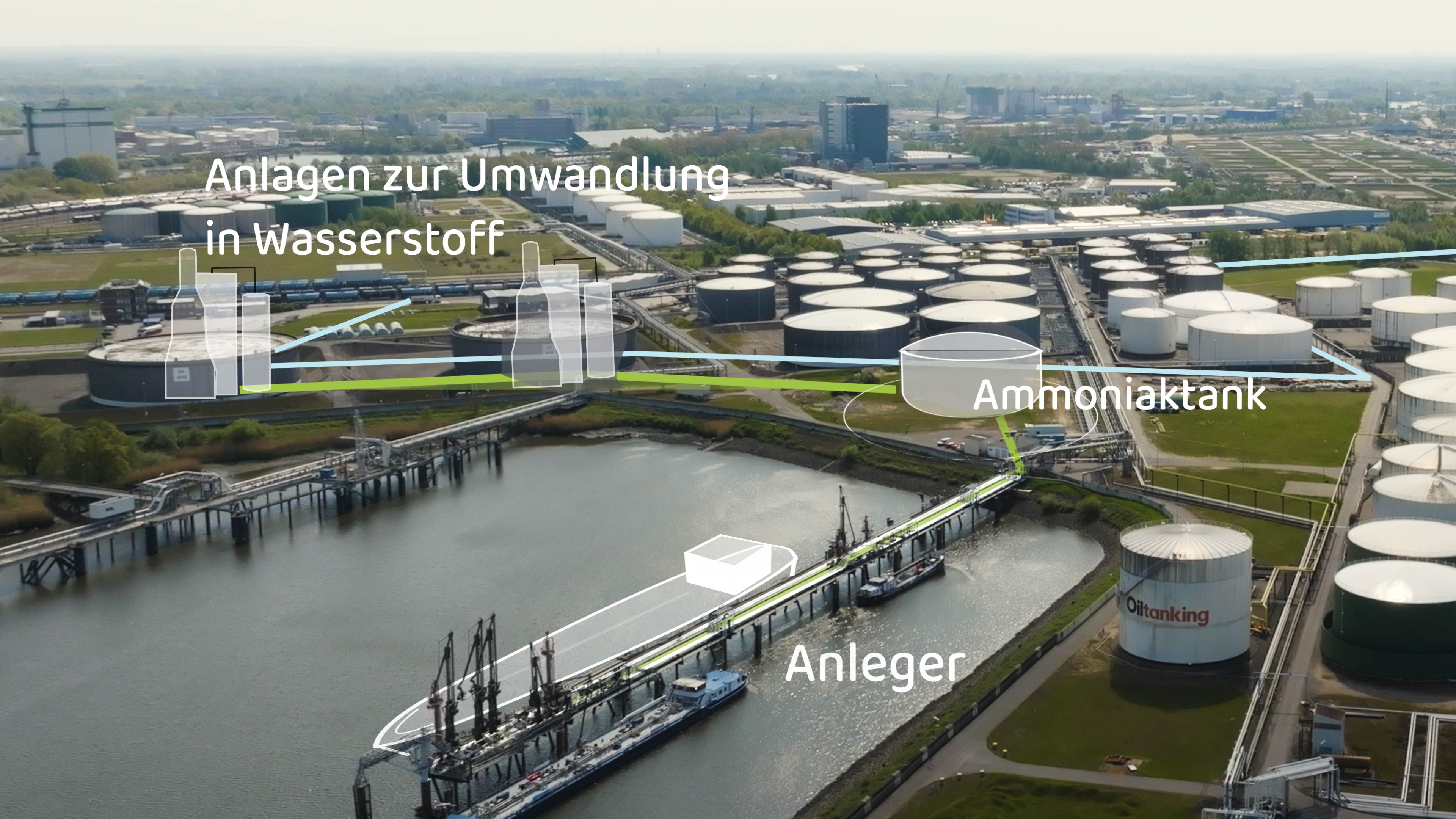
The importance of green ammonia is increasing considerably. In the past, ammonia plants were operated with natural gas (and also coal). Concepts for green ammonia production plants envisage the production of ammonia from the raw materials air and water, i.e. the chemical is produced decentrally from renewable energies.

Switch to New Energy now

New energy projects need more than just good concepts - they require an understanding of local conditions, logistics and implementation.

Talk to us about your requirements. Together we will develop solutions that can be implemented in a concrete and practical way.